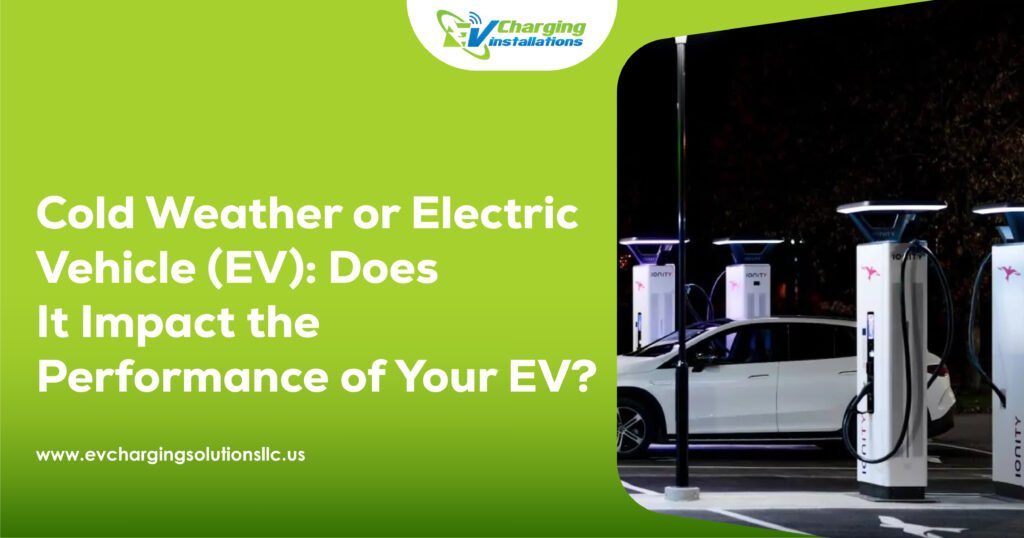
With the rise in the electrification of the world’s automobiles, one of the major questions that has been raised by EV owners is the effect of extreme weather conditions on vehicle performance, in this case, cold temperatures. Although EVs have a lot of benefits, such as reduced emissions and lower cost of operation, cold weather may cause certain difficulties. We will discuss the ways that the temperature of cold weather influences the performance of electric cars and what you can do to eliminate this effect.
The Impact of Cold Weather on EV Battery Performance
An electric vehicle is battery-centered, and the battery is very sensitive to temperature changes. The cold weather may have various effects on the battery of an EV, such as decreasing its range and slowing down the charging time.
1. Reduced Range
Among the most apparent consequences of cold weather on an electric vehicle, the range is impacted. Electric vehicle batteries store and release energy through various chemical reactions and such reactions are slowed down in lower temperatures. Consequently, the battery might fail to provide the same amount of power, and the range of the vehicle will be reduced. In other situations, range may decrease by up to 40 percent even in very cold conditions.
2. The efficiency of the Battery becomes less.
At lower temperatures, the efficiency of the battery decreases i.e. the battery must work harder in order to achieve the same performance. This may cause a temporary reduction in power output and may cause a slowing of acceleration. Moreover, when the battery is too cold, it can even turn off to avoid being ruined, and hence, some EVs are equipped with internal heating systems to heat the battery.
Discover how different types of EVSE chargers affect your electric vehicle’s charging efficiency and time Understanding EV Charging Speeds
Charging Challenges in Cold Weather
It is also more difficult to charge your electric vehicle during cold weather. The low temperatures will also influence the chemical reaction within the battery itself, decreasing the speed of charging and increasing the length of time it takes to charge the vehicle.
1. Slower Charging Speeds
A cold EV battery is not readily charged in comparison to its optimum temperature. Consequently, you will discover that it requires more time to charge your EV, especially when using a Level 1 or Level 2 charger. Most EVs will automatically accelerate the charging rate as the battery heats, but there is still a significant possibility that the charge rate will be significantly slower during colder seasons.
2. Need for Preconditioning
In response to the problem of reduced charging speed, there is a feature of preconditioning on some of the newest EVs. This feature enables the car to warm up its battery and other important elements and then charge. Other EV owners even do this when the vehicle is still connected to the charger, so that the vehicle battery is more optimally heated towards both the process of charging and the performance.
Regenerative Braking Efficiency
One of the most important benefits of EVs is regenerative braking. It enables the vehicle to regain energy in the process of deceleration, which is reintroduced into the battery. Nevertheless, regenerative braking may be affected by cold weather. The lower the temperature, the less able the battery is to store the energy recovered, and therefore makes this system less effective.
This can increase the frequency of conventional brakes, which are less efficient in energy consumption of the vehicle. Most EVs, however, have systems that momentarily increase the amount of generative braking in response to this efficiency reduction in cold weather.
Tire Performance during Cold Weather.
Cold weather might also be a factor in the performance of the tires on an EV. The falling temperature makes the tires less flexible, with rubber becoming stiffer, which could lower the grip. It is especially relevant to EVs as the latter tend to experience a more significant amount of torque output than a conventional car and, hence, are more likely to spin their wheels in slippery weather.
To ensure maximum tire pressure in cold weather, the tire pressure should be checked at regular intervals because cold air may cause the tires to deflate, hence reducing traction and range even more.
Other Implications of EV owners in cold climates.
Although cold weather may be somewhat problematic for the owners of electric vehicles, there are measures that can be implemented in order to reduce the effects of weather on the performance and range:
1. Park in the garage/covered area.
Wherever possible, park your EV in a garage or other covered area to assist in protecting it against the most extreme conditions. Warmth can be used to ensure that the battery is not too chilly, as well as minimize the drop in range and efficiency.
2. Operate Climate Control Features.
Most of the modern EVs enable the owners to precondition the cabin and the battery remotely through a smartphone app. This will assist in making sure that the battery and the inside are comfortable before you get down to driving, which makes it easier and more comfortable.
3. Consider Winter Tires
Winter tires may help your car adhere better and have better handling in cold, icy, or snowy weather. Winter tires are also made in such a way that they are flexible at low temperatures, which enhances their traction and safety during winter.
Plan for Extra Charging Time
When you have plans to take longer trips during cold weather, give yourself more time while charging. With slower charge time and a potential shorter range, it should be noted that you need to strategize the route you take with the charging stops in mind.
Conclusion
There is indeed an effect of cold weather on the performance of the electric vehicles, especially in the range, the charging speed, and the battery efficiency. Nevertheless, these effects can be reduced to a minimum with appropriate care, maintenance and utilization of the available functionalities such as preconditioning to specify the features of EVs. With the technological advancements, EVs will only get more flexible in cold weather, which will make them a safe and effective option to drive at any time of the year.
Our EV charging solutions ensure safe, fast, and efficient charging, even in cold climates.