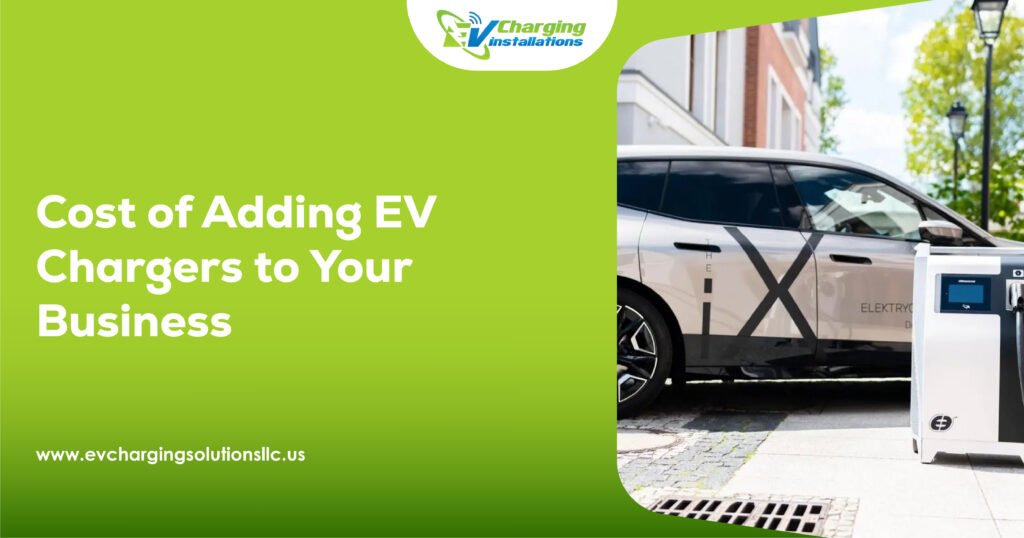
With electric vehicles (EVs) increasingly found on the roads, the businesses are starting to perceive EV charging not only as a green project but as a business move. Retail shops and restaurants, offices and hotels, the installation of EV chargers will contribute to the attraction of new clients, time spent on the premises, and the enhancement of the sustainability reputation of a company. Nevertheless, the following question that business owners would put on the list is straightforward: how much is the cost of adding EV chargers to a business?
The solution is based on a number of factors, such as the kind of charger purchased, the electricity system within the building, the installations needed, and the maintenance costs. The knowledge of these factors will help you make an informed decision before committing to the investment.
Understanding the Type of Charger You Need
The type of EV charger that your business will install is the largest cost-influencing factor. The Level 2 chargers are chosen in the majority of commercial premises since they provide a sensible trade-off between time and cost. A Level 2 charger is capable of charging the car for about 20-40 miles of driving range per hour, which is suitable in workplaces, shopping venues, restaurants, and hotels where it is likely that the customer may be staying at the facility for up to an hour or more.
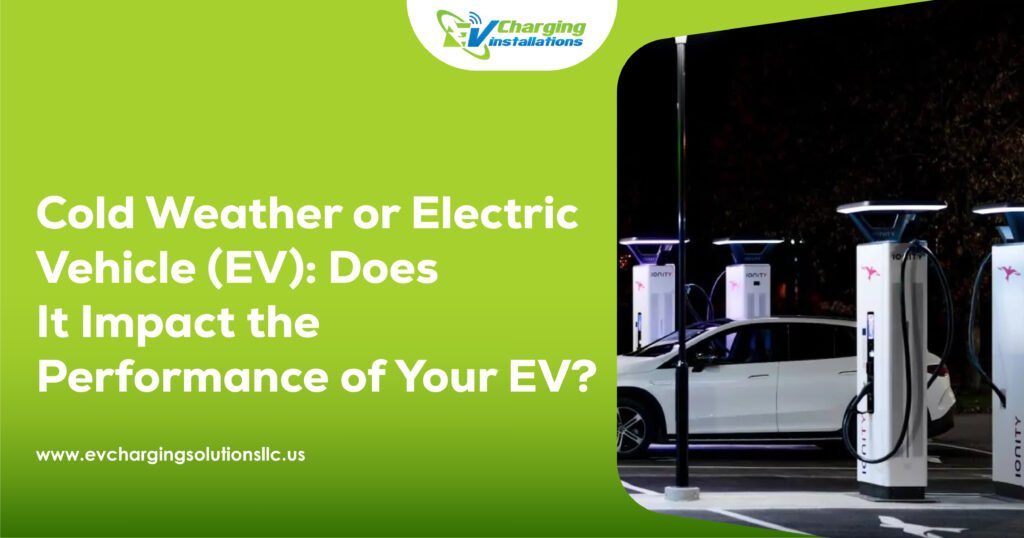
A commercial level 2 charger has an equipment price in the range of a few thousand dollars per unit, and installation costs can be different depending on the conditions at the location. DC fast chargers can be considered as an alternative to businesses with a high number of drivers who would be willing to travel long distances to charge their devices quickly. The latter are much more costly, probably tens of thousands of dollars apiece, and they are able to recharge an EV to 80 percent within less than an hour.
Electrical Infrastructure and Installation Costs
Though charger equipment has a set price range, installation usually takes most of the total investment. The installation will be determined by the available electrical capacity of the building you are installing in and how elaborate it is. If you already have enough power in your property and panel space, you will have a comparatively easy time installing.
The older buildings might, however, need the electrical panel upgrades or even the transformer upgrades to accommodate the added load. These upgrades would lead to a major rise in the cost of the project. The distance of the charging station and the electrical source is also significant. The further the charger is positioned, the nearer to the panel, the more trenching, conduit, and wiring will be required. In business environments, trenching through parking lots or sidewalks may cost thousands of dollars to the overall installation cost.
Another consideration is permits and inspections. The local authorities usually force the adherence to building codes, accessibility standards and electrical regulations. Although such prices are different depending on where you live, they must be included in your budget.
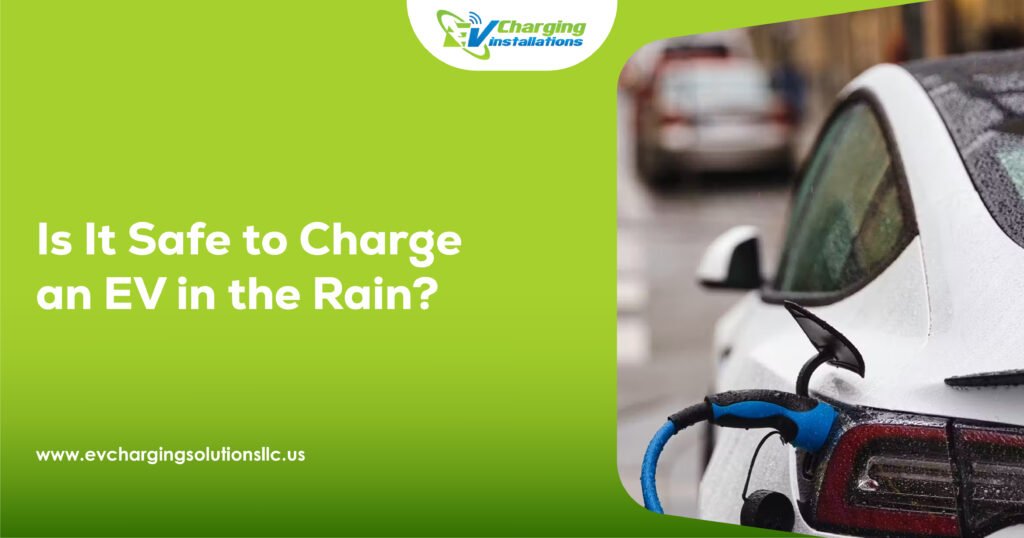
Before installing chargers, read our guide on is it safe to charge an EV in the rain to understand charging safety and weather protection.
Ongoing Operational Expenses
In addition to the installation cost, companies should take into account the maintenance costs of EV chargers. The main recurrent cost is electricity usage. This will depend on the frequency of use of the chargers and the commercial rate of electricity locally.
Other companies prefer to provide free charging as a customer value, so that they pay the electricity bill as part of their marketing strategy. Others use user charges to recoup the cost or make a profit. Most commercial charging systems also provide software platforms, where businesses are able to price, track usage, and restrict access. These network services usually have subscription charges that are annual, and this increases the operating cost.
The maintenance is mostly low maintenance, though in some cases, chargers have to be maintained or changed. It is wise to take into consideration a small annual maintenance cost that would guarantee reliability in the long term.
Government Incentives and Rebates
One of the most important cost-reducing factors for businesses is the availability of incentives. Many governments and utility providers offer tax credits, rebates, or grants to encourage the development of EV infrastructure. These programs can significantly offset the upfront investment.
Depending on your location, you may qualify for federal tax credits that cover a percentage of equipment and installation costs. State or municipal programs may offer additional rebates. In some cases, utility companies provide financial incentives or reduced rates for businesses that install chargers and manage charging during off-peak hours.
Researching available incentives before beginning your project can dramatically lower your total cost and improve return on investment.
Revenue Potential and Business Benefits
Although installing EV chargers requires upfront capital, many businesses view it as a long-term investment rather than an expense. Charging stations can attract new customers who actively seek out locations with available charging. Retail businesses often see increased dwell time, meaning customers spend more time and potentially more money on-site while their vehicles charge.
For commercial property owners, EV chargers can increase tenant satisfaction and property value. Office buildings with charging access are increasingly attractive to companies with sustainability goals. Hotels offering EV charging may gain a competitive edge among eco-conscious travelers.
In some cases, charging fees can generate revenue that helps offset installation and operating costs. While revenue may not immediately cover the entire investment, it can contribute to long-term cost recovery.
Typical Cost Range for Businesses
With the addition of equipment, installation, and infrastructure improvements, installing a Level 2 commercial EV charger can be in the middle ground of five figures per unit, depending on the situation at the site. DC fast chargers are much more expensive to install, often costing as much as six figures in equipment and installation.
Real costs depend on a wide range, depending on the electrical capacity, layout of the property, labor rates, and the local regulations. A professional site assessment is the most appropriate method for deriving accurate projections.
Is Adding EV Charging Worth It?
This is because future readiness, rather than immediate financial gain, is the reason why many businesses can opt to install EV chargers. The EV adoption is not slowing down, and the need in infrastructures continues to increase. The early adopters position themselves as responsible and environmentalists.
Although the initial expenses may seem huge, incentives, a larger customer base, and long-term brand value usually cover the cost. Those businesses that consider the electrical capacity, select the right type of charger, and look at rebates can contain the costs.
The addition of EV chargers is more than just a matter of equipment installation; it is a matter of adjusting your business to the trend that transportation is taking. EV charging can also be a strategic asset and a service to offer your customers with proper planning and budgeting.
Ready to power your property? Explore our professional commercial EV charger installation services for safe, scalable business charging solutions.