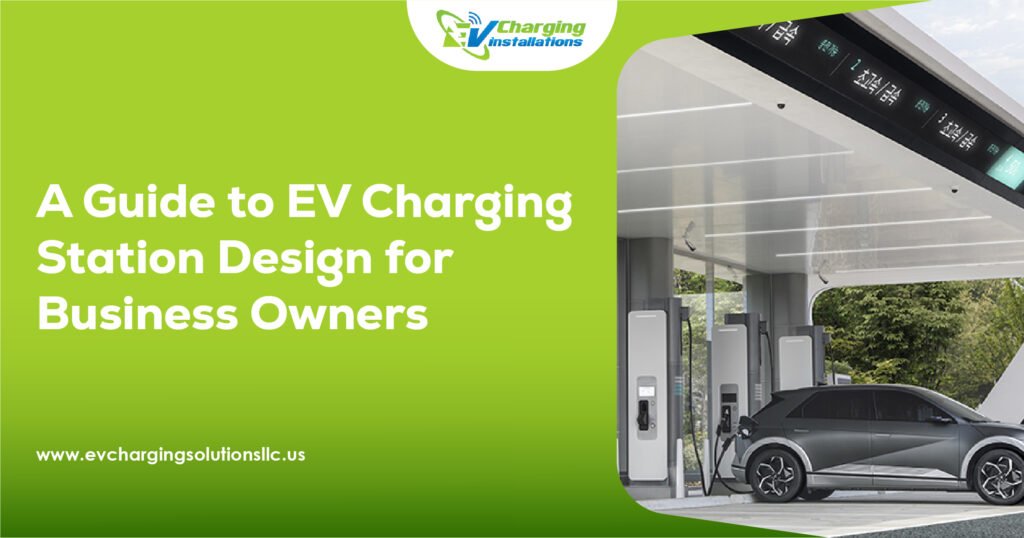
Electric vehicles (EVs) are more than a consumer pattern; it is a major transformation in transportation that poses a great opportunity to business owners. Placing EV charging will generate foot traffic, customer dwell time, and make your business a sustainability pioneer. However, it is essential to get the design, the infrastructure, and the practicality of an effective EV charging station installation first.
This guide explains the major factors that should be taken into consideration by the business owners when planning and designing an EV charging station on their premises.
Understanding Your Charging Audience
The first step in EV charging station design is understanding who you’re serving. Are you catering to:
- Shoppers at a retail plaza?
- Employees at an office park?
- Guests at a hotel?
- Fleet drivers for delivery or logistics?
The needs of each of the audiences vary. As an example, the coffee shop clientele can spend as little as 30 minutes in the shop and this necessitates the fast Level 3 DC chargers. In the meantime, Level 2 chargers with lower costs could be used by office workers who spend 8+ hours parking their vehicles. Knowing your main user group will also be used to make decisions regarding the type of chargers, number of chargers, speed and location of chargers.
Choosing the Right Charger Types
There are three primary EV charger levels:
- Level 1 (120V): Standard wall outlet. Very slow and unfit to be used in public/business.
- Level 2 (240 V): Suits well in a commercial environment, with a range of 10-60 miles/hour of charge.
- Level 3 / DC Fast Chargers: 80 percent or less charge within 30 minutes or less, most suitable with high traffic commercial locations or highway-proximate businesses.
Level 2 chargers are the most common with small to mid-sized businesses starting with them because of cheaper installation and suitability with all EVs. Nonetheless, when serving fleet cars or drivers who travel long distances, it may be a great idea to incorporate at least one DC fast charger.
Want to bring EV charging to your business? Explore our commercial EV charging solutions to create a modern, revenue-generating station for your property.
Site Selection and Layout Design
Your EV charging station should be easy to find, well-lit, and accessible. Here are key location design tips:
- Visibility: Place chargers in places close to building doors or in places with high pedestrian traffic.
- Accessibility: Have stalls and walkways that are ADA-compliant.
- Traffic Flow: There should be no issues between vehicles in that one vehicle holds up another.
- Safety and Lighting: Proper lighting not only contributes to the safety, but also makes the station look more friendly during the dark hours.
Work with a certified installer or EV infrastructure planner to map out your parking lot layout with these factors in mind.
Power Capacity and Electrical Infrastructure
EV charging stations consume a lot of electricity and electrical capacity is a major factor of your property.
Prior to installation: Conduct site load assessment with a licensed electrician in order to establish:
- In case your existing electrical panel is capable of supporting an additional load.
- Dedicated circuit or utility upgrade required or not.
- What to do to add chargers in the future-proof.
It can be necessary, in certain situations, to liaise with your local utility company to upgrade transformers or arrange demand management solutions like load balancing or smart charging.
Connectivity and Smart Charging Features
Modern EV charging stations are more than just power outlets; they are smart devices with networking, billing, and data-tracking capabilities.
Look for commercial charging stations with features such as:
- Mobile app access for users
- Payment integration (credit card, app, RFID)
- Usage analytics for your business
- Remote monitoring and maintenance alerts
- Dynamic pricing options for demand-based rates
These capabilities not only improve the user experience but help you manage energy costs and generate revenue from your stations.
Looking to install fast chargers that attract more drivers? Check out our DC fast charging systems designed for high-traffic business locations.
Signage, Branding & Customer Engagement
Your EV charging stations are a part of your brand once they are installed. Selective signs should be used to direct drivers and mark the EV parking areas.
Brand it with your logo, colors or QR codes to send customers to your website or app. Consider incentives like loyalty points, free charging to first-time users, or discounts in your business to EV drivers.
This makes your charging station to be more of a marketing object than a utility.
Permits, Incentives & Compliance
Before breaking ground, make sure you’ve addressed:
- Local zoning laws and building permits
- ADA compliance for parking and access
- Fire and electrical codes
- Utility interconnection agreements
Also, explore state and federal incentives, including rebates, tax credits, and utility-funded programs, that can offset a significant portion of your installation costs. Partnering with an experienced EV infrastructure provider can help streamline this process.
Future-Proofing Your Design
With the ever-increasing adoption of EVs, your charging station should be scalable. Plan now for:
- The capacity of expansion implies additional charges and additional power.
- Off-peak charging Battery storage.
- Integration in solar panels to ensure sustainability in energy.
Future Vehicle-to-grid (V2G) technology preparedness.
Planning is an assurance that the investment will be very relevant and valuable in the future as well.
Final Thoughts
When it comes to designing an EV charging station in your business, it is not solely about getting some hardware installed, but rather coming up with a trustworthy, well-organized, and progressive experience for your customers or employees.
With proper design of your layout, infrastructure, the type of chargers, and smart facilities, you can transform your parking lot into a high-value asset that will not only attract new clients but also it will help in retention and reaffirm the brand through its dedication to sustainability.
Need expert guidance on planning and installation? Contact our team for a site assessment and customized EV infrastructure strategy.